
QUIVER-MD — A FORWARD DEPLOYED PLATFORM
Modular Autonomous Aircraft Platform
QUIVER-MD is a modular unmanned aircraft system (UAS) in development. Its architecture is designed around mission configuration, component replacement, production pathways, and field sustainment. Eight module families organize the aircraft around documented interfaces and replaceable assemblies.
The aircraft is one product. The architecture behind it is the platform.
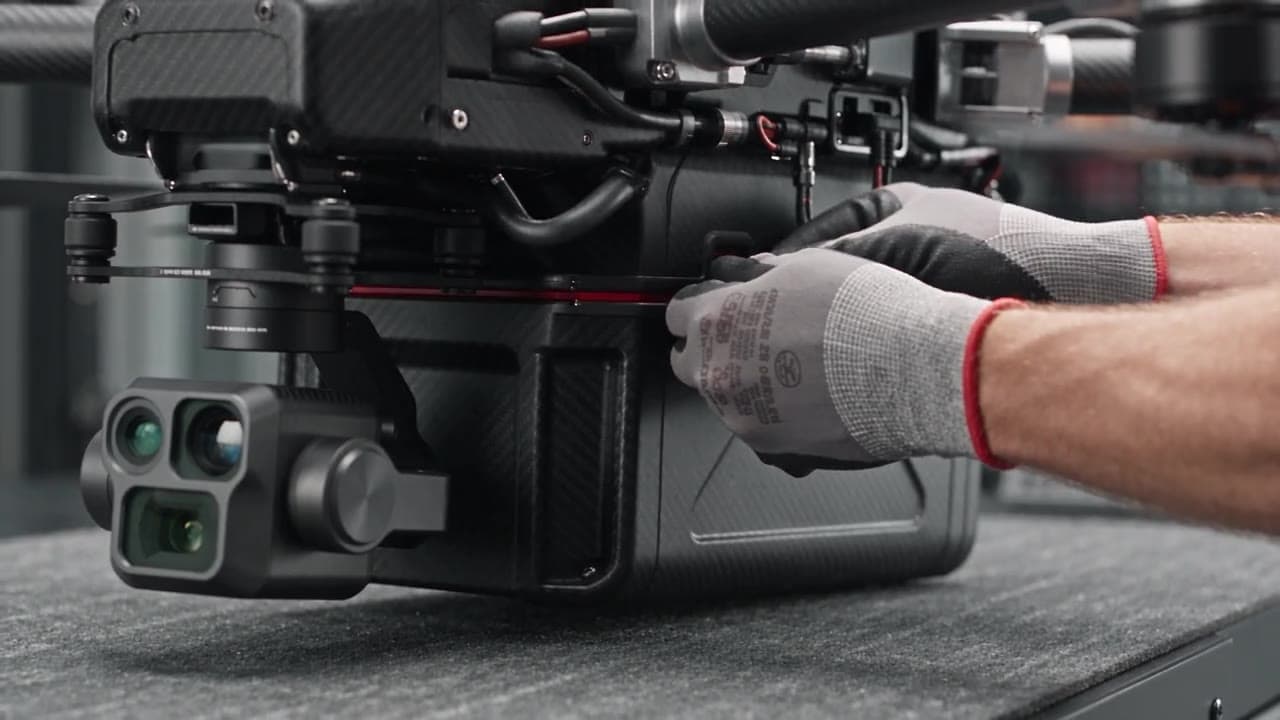
A modular aircraft in flight, with close views of the harness connections linking its camera, payload and radio.
PRODUCT FAMILIES
Eight families. One documented architecture.
| Family | Scope |
|---|---|
| QUIVER AIR | Airframes and aerostructures |
| QUIVER DRIVE | Motors, ESCs, propulsion assemblies |
| QUIVER POWER | Energy storage, BMS, distribution |
| QUIVER CORE | Flight control, compute, avionics |
| QUIVER LINK | Communications, datalink, antennas |
| QUIVER MISSION | Payloads, sensors, mission integration |
| QUIVER GROUND | Ground control, transport and support |
| QUIVER FIELD | Spares, tools, repair and sustainment |
Family definitions describe the public product architecture. Detailed technical characteristics, drawings, and performance figures are not published on this site.
MODULE GALLERY
See every module in action.
AI concept films illustrating each QUIVER family — the replaceable building blocks of the platform.
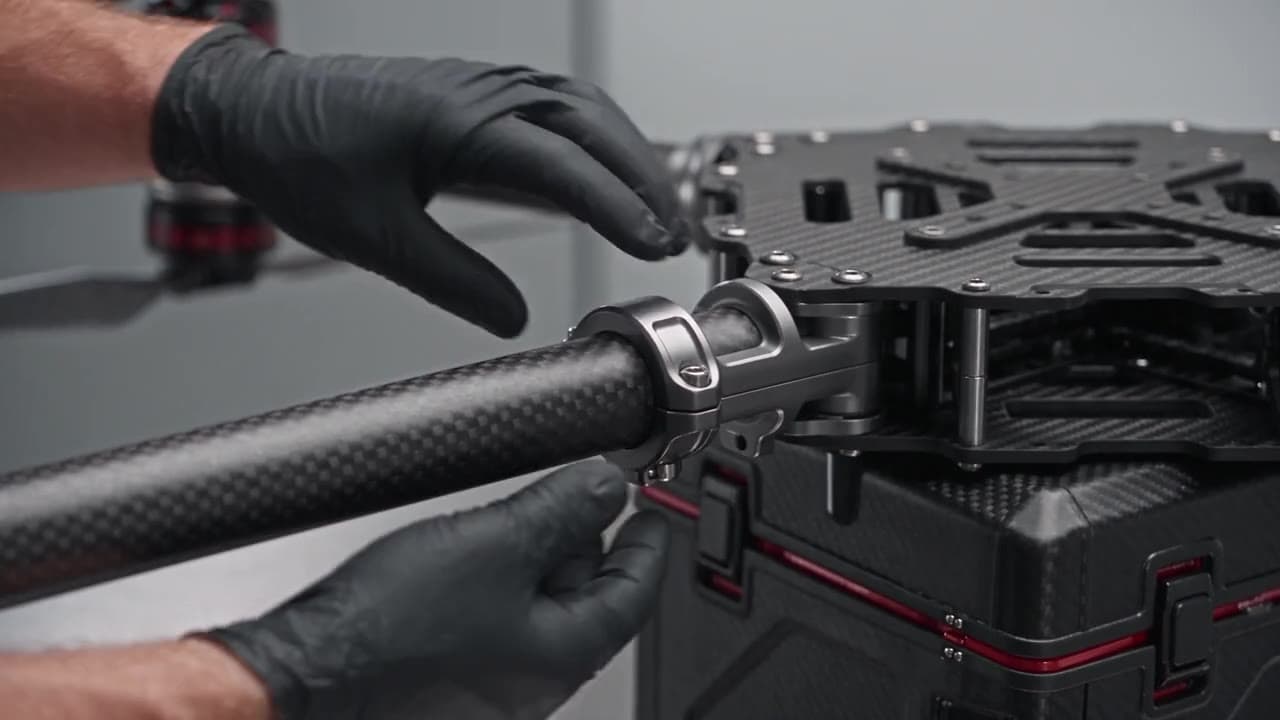
Concept visualization of the QUIVER AIR module: Modular airframe chassis with quick-release arm interfaces
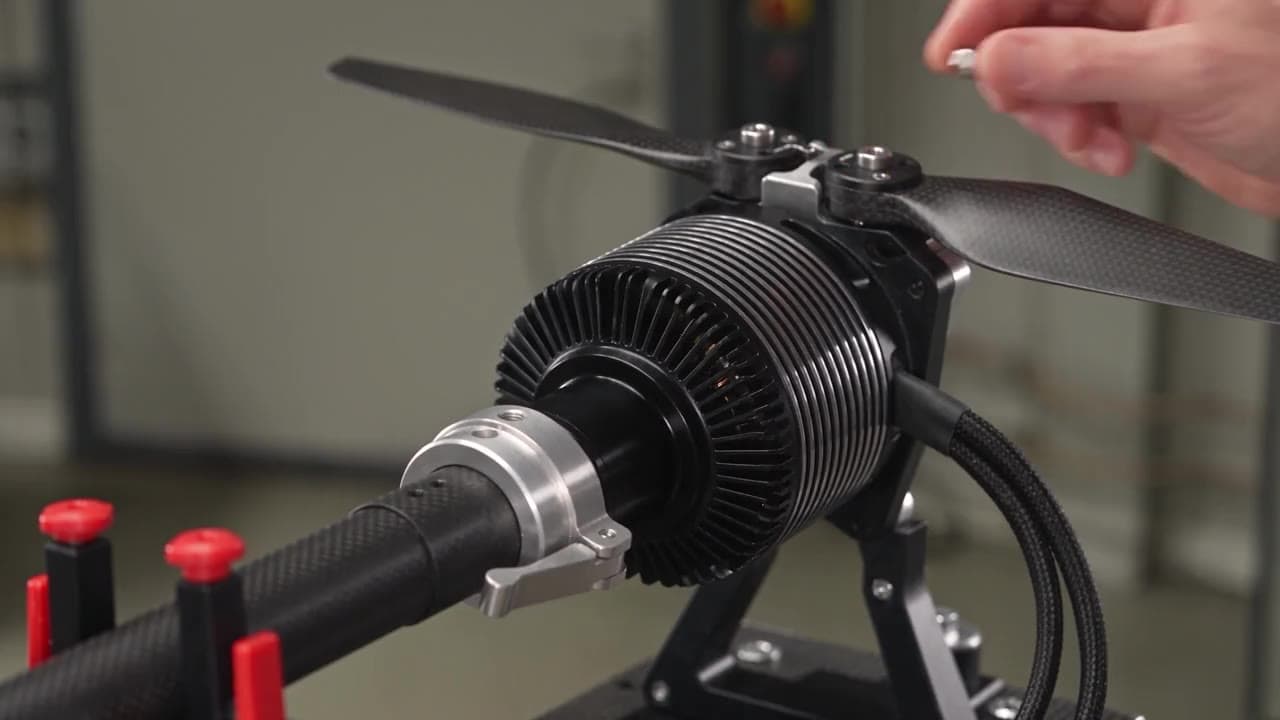
Concept visualization of the QUIVER DRIVE module: Propulsion module — motor, arm segment, folding propeller
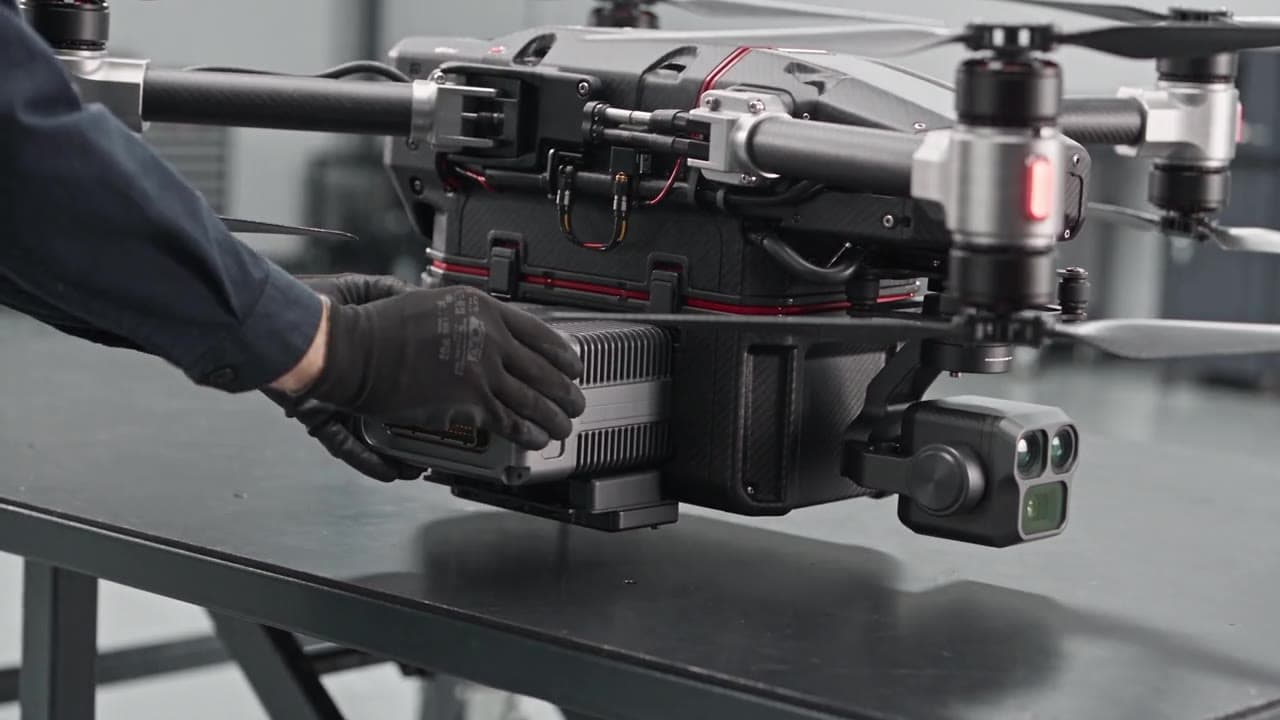
Concept visualization of the QUIVER POWER module: Flight battery LRU with blind-mate power interface
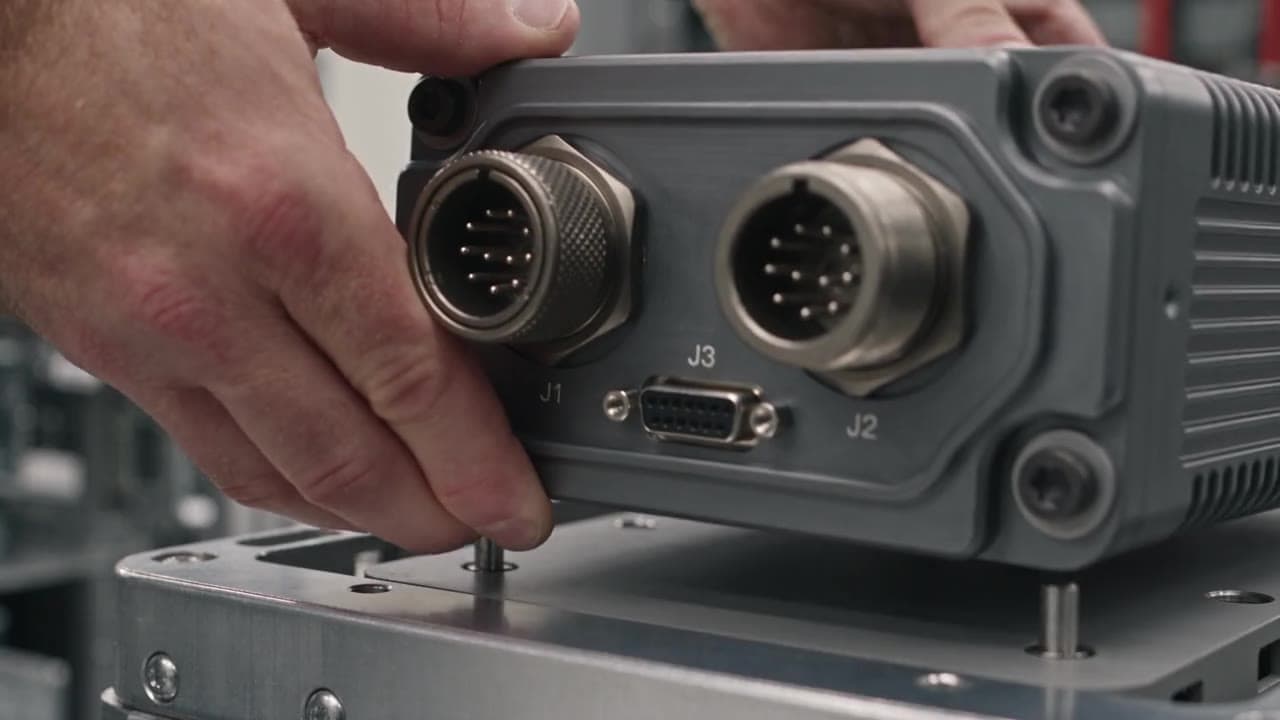
Concept visualization of the QUIVER CORE module: Sealed avionics flight-control LRU
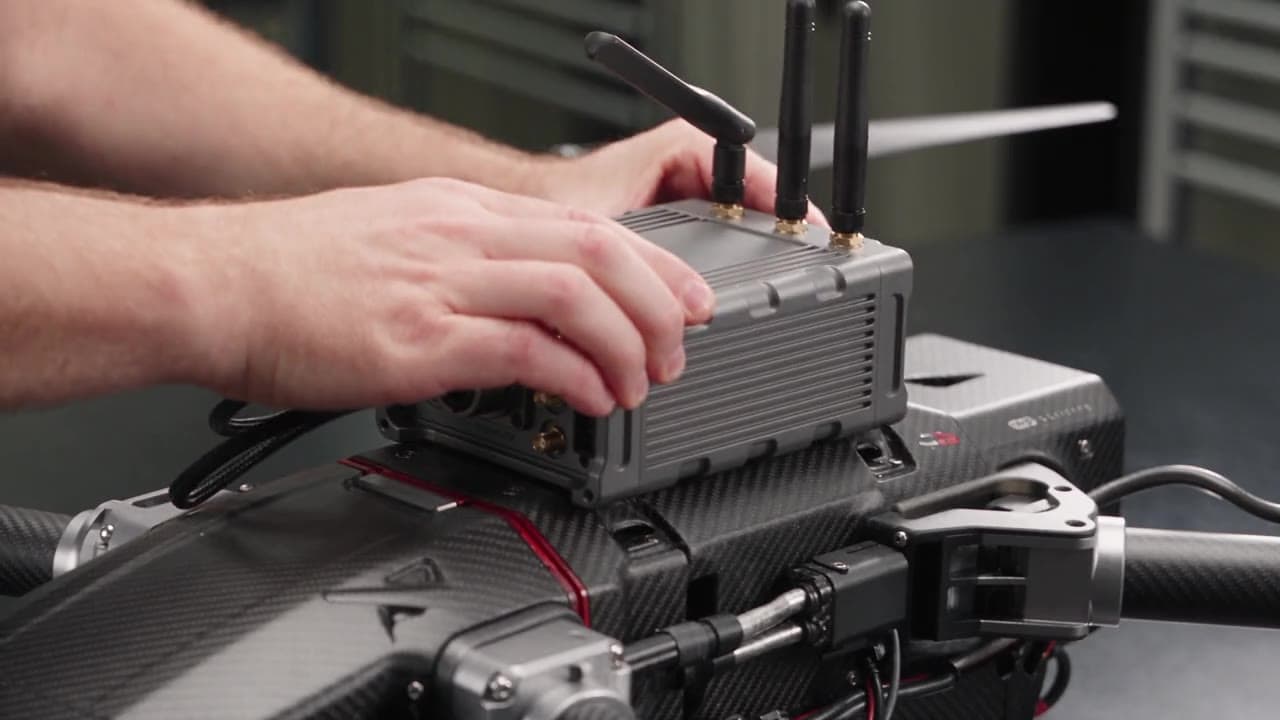
Concept visualization of the QUIVER LINK module: Communications radio module with antenna set
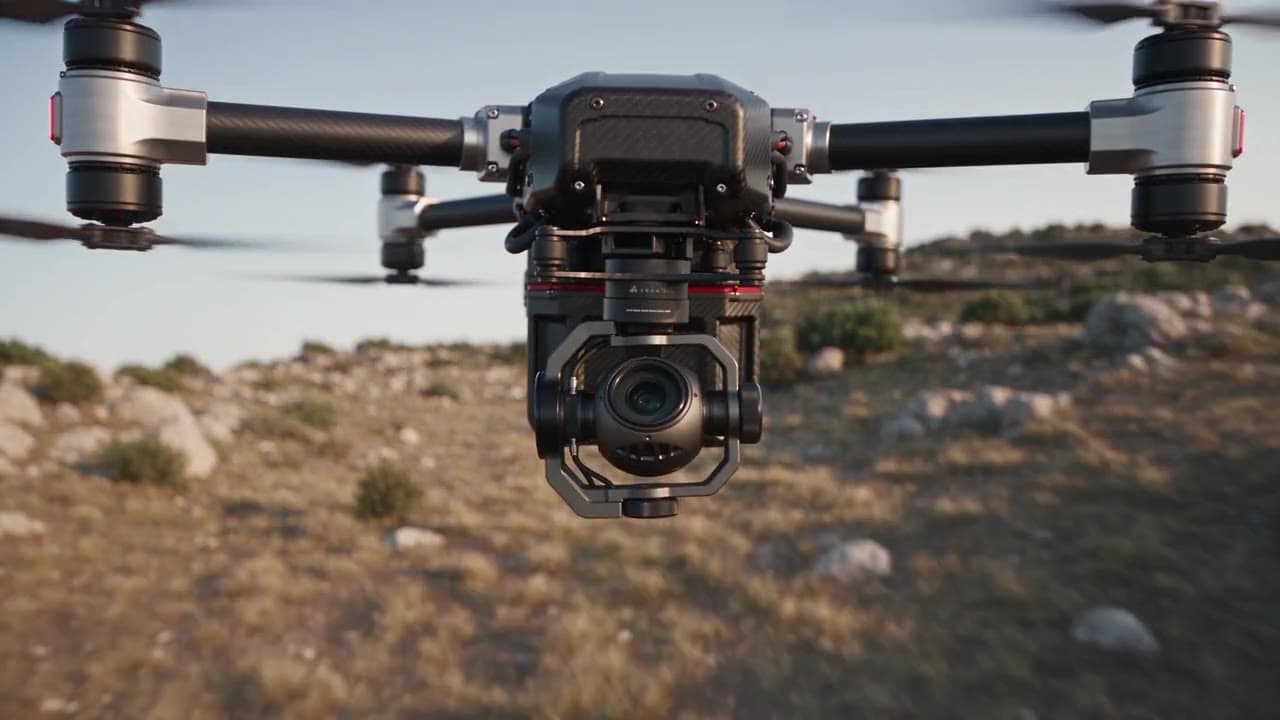
Concept visualization of the QUIVER MISSION module: Stabilized sensor payload module
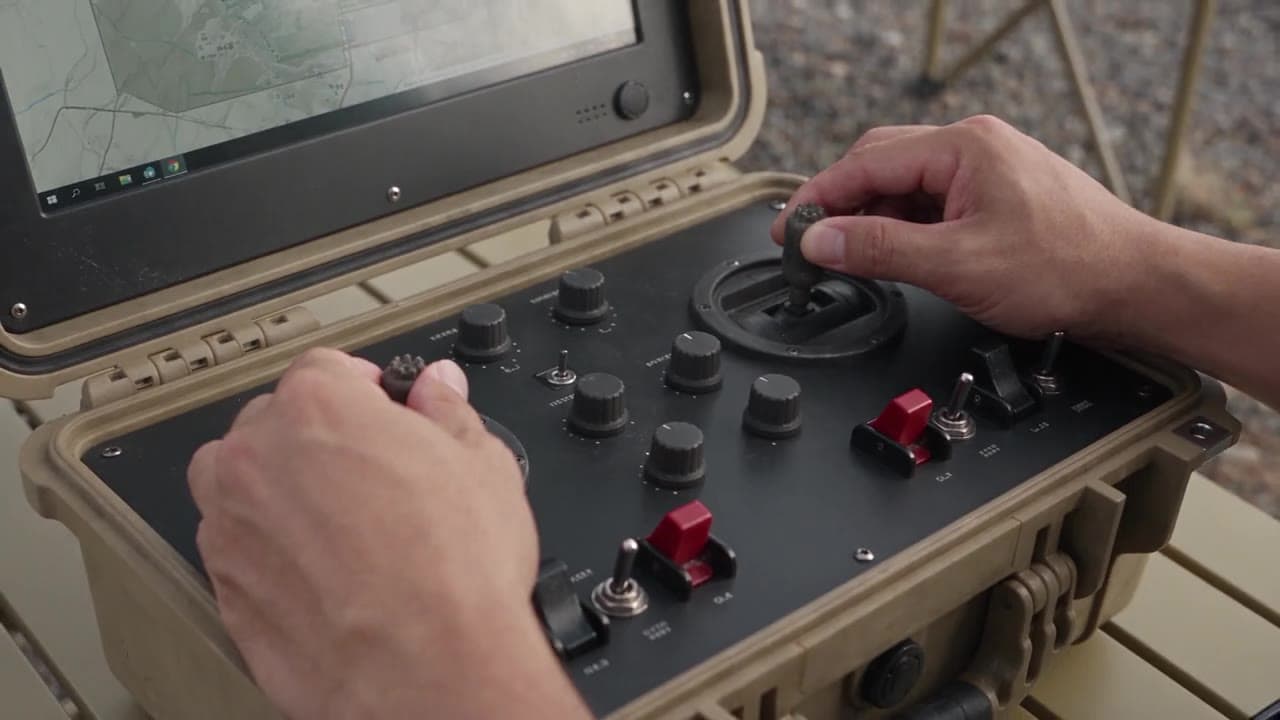
Concept visualization of the QUIVER GROUND module: Portable ground control station
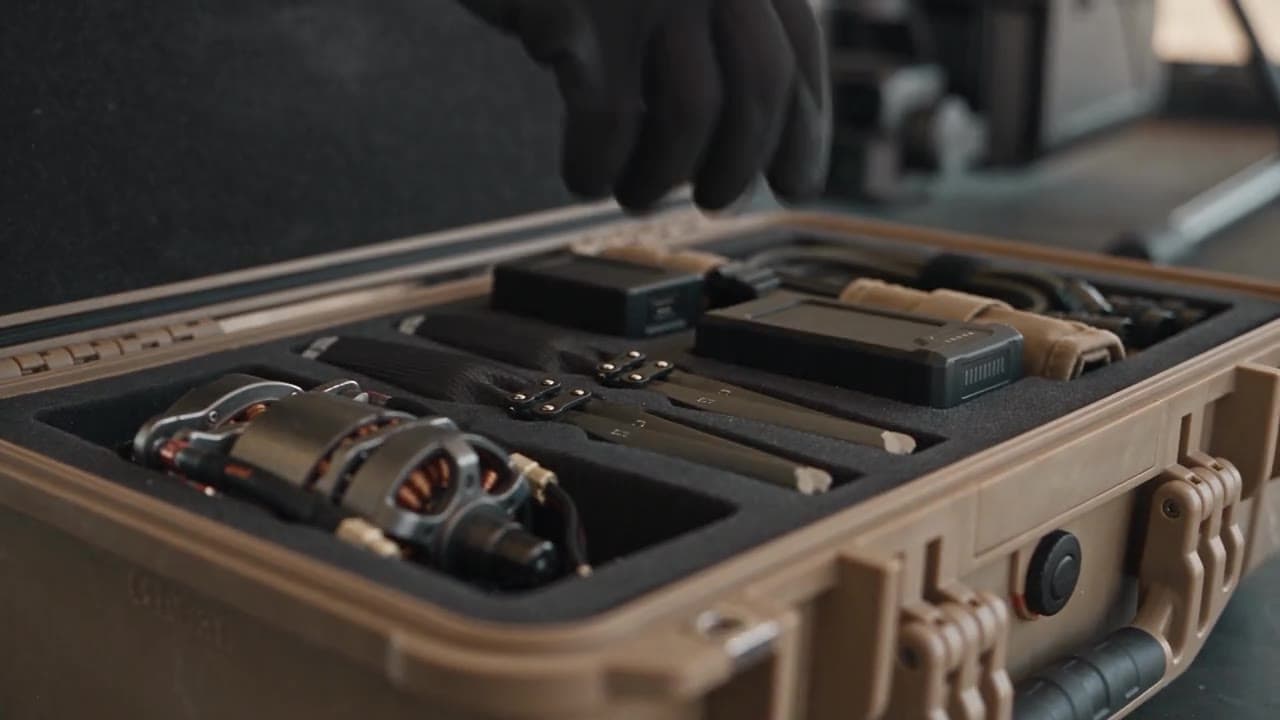
Concept visualization of the QUIVER FIELD module: Field sustainment kit with foam-fitted spares
EXPLODED PRODUCT ARCHITECTURE
Explore the product family behind each subsystem.
The catalog describes product families in development or planning. Production availability, technical data, and delivery timing are confirmed for each engagement.
| Zone | Product | System |
|---|---|---|
| STRUCTURE | QMD-CHS-300 | Modular Chassis System → |
| MOUNTS | QMD-STR-200 | Structural Mount System → |
| HARNESS | QMD-HAR-100 | Vehicle Harness System → |
| POWER | QMD-PWR-600 | Power Distribution System → |
| PAYLOAD | QMD-PAY-500 | Universal Payload Interface → |
| AVIONICS | QMD-AVI-700 | Modular Avionics Carrier → |
| AIRFRAME KIT | QMD-AIR-800 | Quiver-MD Airframe Kit → |
| AIRCRAFT | QMD-UAS-900 | Quiver-MD Mission Platform → |
PLATFORM PRINCIPLES
Design requirements for a replaceable platform.
- Modular architecture with documented interfaces
- Replaceable subsystems — failure is a design assumption
- Source-resilient component strategy
- Design for manufacturing from the first drawing
- Configuration control from prototype onward
- Sustainment planned as part of the product, not after it
OPEN ARCHITECTURE PROVENANCE
Open hardware. A production-focused development roadmap.
Quiver-MD builds on Project Quiver, an open-source modular quadcopter platform developed by Arrow Air and released under the CERN Open Hardware Licence (CERN-OHL-S v2). FDI did not create the original Project Quiver and is not affiliated with or endorsed by Arrow Air.
FDI's contribution is what the license invites: commercializing, industrializing, and sustaining an open architecture — controlled production configurations, domestic BOM hardening, manufacturing engineering, integration, and field sustainment. Modifications FDI distributes as products will carry sources made available under the same license, as CERN-OHL-S requires.
Upstream project: github.com/Arrow-air/project-quiver · License: CERN-OHL-S-2.0. Upstream performance figures are Arrow Air's claims about the reference design, not FDI claims about Quiver-MD.
Engage on QUIVER-MD without exchanging sensitive data.
Platform conversations, module supply, payload integration, and ground/field support all start the same way: a routed, non-sensitive conversation.